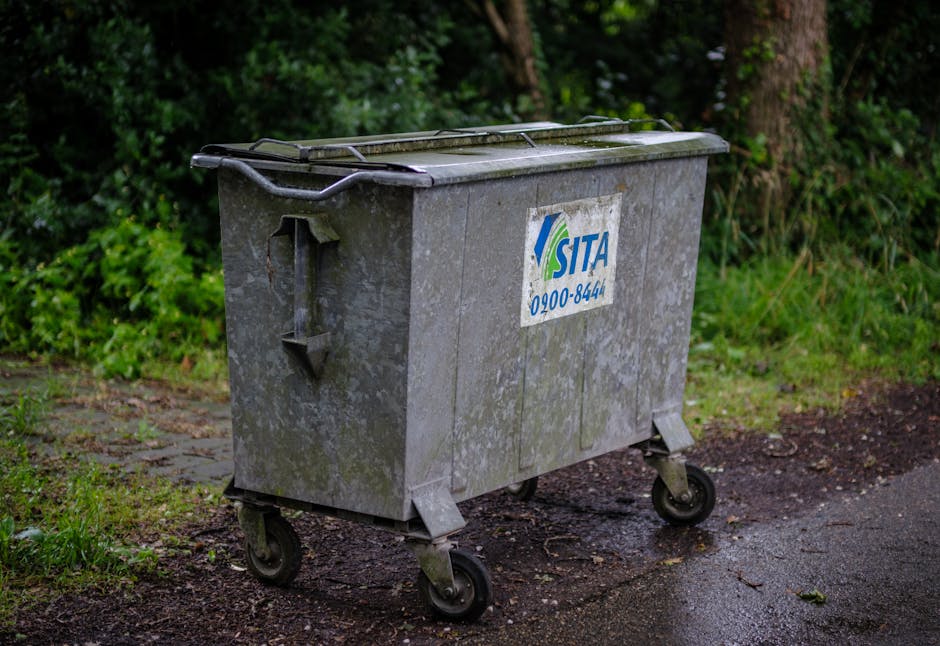
Neasden Lane garden waste clearance tips for residents
If you live near Neasden Lane, garden waste has a way of building up faster than you expect. One weekend you're trimming hedges, deadheading borders, and clearing a few pots; the next, you've got a small mountain of branches, turf, soil, leaves, and old plant cuttings sitting in bags by the fence. These Neasden Lane garden waste clearance tips for residents are here to help you deal with it properly, without turning a simple tidy-up into a long, messy job.
Good clearance is not just about making the garden look neat again. It also helps reduce smells, stops pests from settling in, protects shared paths and driveways, and makes the whole process safer if you are dealing with heavier or sharper materials. In this guide, you'll get practical steps, common mistakes to avoid, and realistic ways to keep waste removal efficient whether you are doing a small clear-out or tackling a bigger seasonal reset.
For residents who want a hands-off option, services like garden clearance and broader waste removal support can make the job much easier. But even if you prefer to do the sorting yourself, a bit of planning saves time. Truth be told, the difference between a tidy garden and a frustrating weekend often comes down to one thing: how you prepare.
Why Neasden Lane garden waste clearance tips for residents Matters
Garden waste might seem harmless enough, but it creates a few real problems if it's left unmanaged. Bags can tear in the rain. Cut branches can puncture packaging or trip someone up. Damp leaves start to smell. And when waste piles up along narrow access routes, it can make basic movement around the property awkward. If you share access with neighbours, that becomes even more noticeable.
In a built-up London setting, space is usually at a premium. A front garden, side return, communal passage, or small rear yard does not give you much room to "deal with it later." That is why the best clearance approach is usually simple and prompt. You sort as you go, keep materials separate, and arrange removal before the pile becomes unmanageable.
There's also the wellbeing side of it. A clean garden is easier to use. It feels calmer. You notice the difference when you step outside in the morning and the place is breathing again, rather than looking like it is holding on to last month's hedge cuttings. Small thing, maybe, but it matters more than people admit.
Practical takeaway: the earlier you separate and clear garden waste, the easier it is to keep costs down, reduce mess, and avoid safety issues on Neasden Lane properties.
How Neasden Lane garden waste clearance tips for residents Works
Garden waste clearance usually follows a straightforward pattern: collect, sort, store safely, and remove. The exact approach depends on how much waste you have and what kind it is. A few bags of grass cuttings are very different from a full tree reduction, old fencing, or heavy soil from a border redesign.
Here is the basic flow most residents will follow:
- Inspect the waste and separate green waste from mixed garden rubbish.
- Break down bulky items such as branches, old planter boxes, and broken trellis.
- Keep sharp or heavy materials aside so nobody gets caught out while lifting.
- Bag or bundle waste neatly so it can be moved easily.
- Choose a clearance method based on volume, access, and time available.
- Arrange removal or disposal once the pile is ready, not before you've sorted it.
If you are using a professional service, the process is usually more efficient when the waste is accessible and separated in advance. That said, a good clearance team should also be able to handle awkward loads, mixed materials, and larger one-off jobs. Residents with multiple waste types can look at combined solutions such as home clearance or garage clearance when the job spills beyond the garden itself.
A useful way to think about it: if a wheelie bin could reasonably cope with the waste, sorting is the main task. If it clearly cannot, you're in bulk clearance territory. Different game entirely.
Key Benefits and Practical Advantages
Done properly, garden waste clearance offers more than a tidy finish. It changes how the space works for you day to day. That's why residents on Neasden Lane often find the effort pays off quickly, especially in spring and late summer when outdoor jobs tend to stack up.
- Less clutter around paths, patios, sheds, and entrances.
- Improved safety because loose sticks, wet leaves, and hidden debris are removed.
- Easier gardening since beds and borders are clearer to access.
- Better hygiene with fewer damp organic piles attracting pests.
- Faster project completion if you're redesigning a garden or preparing for planting.
- More efficient disposal when green waste is separated from general rubbish.
There is also a financial angle, even if it is not always obvious at first. Waste that is sorted and prepared neatly is usually easier to load and process. Mixed, wet, or contaminated waste often takes longer and can complicate the job. Not dramatically every time, but enough to matter.
Residents with regular maintenance work may also benefit from understanding the difference between a one-off tidy-up and recurring support. If your garden generates waste through ongoing landscaping or seasonal pruning, a planned clearance rhythm tends to be far smoother than waiting until the bags are overflowing.
Who This Is For and When It Makes Sense
This topic is useful for a wide mix of residents, not just people with large gardens. In fact, the smaller the space, the more quickly waste can become annoying.
- Homeowners doing routine pruning, hedge cutting, or border clearing.
- Tenants who need to leave the outdoor area tidy at the end of a tenancy.
- Families clearing up after a busy growing season or a garden play area refresh.
- Landlords preparing a property for new occupants.
- People with limited access who need waste moved through narrow side passages or shared paths.
- Residents with larger overgrown plots who are tackling a one-time reset.
It makes sense to plan clearance when you notice any of the following: bags sitting out for too long, waste blocking usable space, repeated trips to the bin becoming impractical, or the job starting to include heavier materials such as soil and roots. That is usually the point where a simple tidy turns into a more organised removal task.
And to be fair, there is no prize for doing everything the hard way.
Step-by-Step Guidance
If you want a smoother result, the safest approach is to work methodically. Rushing tends to create extra mess and, oddly enough, more work later.
1) Walk the space first
Start with a quick visual check. Look for branches, damp leaves, broken pots, trailing roots, old compost bags, and anything mixed in with the green waste. You're looking for items that need special handling before anything is moved.
2) Separate waste into sensible groups
Keep organic green waste separate from non-organic items where you can. Grass, leaves, hedge cuttings, and plant trimmings can usually be managed together. Broken furniture, planters, fencing, and mixed junk should be kept apart. If you've got materials from a wider tidy-up, the distinction matters even more.
3) Reduce bulky waste safely
Cut long branches into manageable lengths. Flatten light items if possible. Bundle loose twigs so they do not spill across the path. Use gloves and avoid lifting awkward loads in a twisty way; your back will thank you later. Seriously.
4) Bag and store waste properly
Use strong bags for loose material and avoid overfilling them. Heavy soil is especially tricky, because it feels "small" until you try to lift it. Keep all waste out of walkways if you can, and avoid leaving piles where rain can soak them through.
5) Decide on the clearance route
If the waste is light and your local arrangements can handle it, you may only need a simple disposal plan. For larger, mixed, or awkward loads, professional clearance is usually the quicker option. Some residents also combine this with house clearance or loft clearance if they are sorting out the whole property at once.
6) Sweep and inspect
Once the waste is gone, do a final sweep. Check corners, under fences, and around planters. That last pass makes a real difference. The garden feels finished rather than merely "mostly done."
Expert Tips for Better Results
A few small habits can make garden clearance far more efficient. These are the details that tend to separate a decent job from a really tidy one.
- Clear in layers, not all at once. Remove the biggest obstruction first, then the finer material. It keeps you from trampling the areas you still need to sort.
- Work in dry weather when possible. Wet leaves and soil are heavier, messier, and more slippery. You notice the difference immediately.
- Keep green waste as dry and airy as you can. Airflow reduces the chance of a damp smell developing.
- Use a tarp for moving material. It helps if you need to drag waste across paving without scattering it everywhere.
- Make a separate pile for "maybe" items. Those are the old pots, damaged edging, and bits you're not sure about. Decide on them at the end.
- Think about access before you start. If a wheelbarrow, side gate, or alley is tight, plan the route first. Saves a lot of sighing.
One small but useful tip: if the waste is mostly soft green material, compressing it slightly before collection can make the load neater. Do not overpack, though. The aim is tidy handling, not creating a brick of wet cuttings nobody wants to lift.
If your project includes broader tidy-up work, it can also help to review practical policies and service details such as recycling and sustainability and health and safety guidance so you know what standards the service follows.
Common Mistakes to Avoid
Most clearance problems are avoidable. The same mistakes show up again and again, and they usually cost residents time rather than money. Still annoying, though.
- Mixing green waste with general rubbish. It makes sorting harder and can complicate disposal.
- Leaving waste exposed to rain. Wet waste is heavier and more unpleasant to move.
- Overfilling bags. A bag that is too heavy is awkward, unsafe, and often splits at the worst moment.
- Ignoring sharp debris. Broken sticks, metal edging, and hidden glass can cause injuries.
- Blocking access routes. Shared walkways and narrow side returns need to stay usable.
- Forgetting to check what else is being removed. A garden job can quietly include old plant pots, damaged furniture, and bits from sheds or garages.
Another common slip is underestimating volume. A few cuttings on the ground can turn into a surprising amount once gathered. The heap always looks bigger by the end. Always.
If the task starts to overlap with non-garden items, it may be worth considering related services like furniture clearance or furniture disposal rather than trying to cram everything into one rough pile.
Tools, Resources and Recommendations
You do not need a massive toolkit for most garden waste jobs, but the right basics make a big difference. A simple, sensible setup is usually enough.
| Tool or item | Best use | Why it helps |
|---|---|---|
| Heavy-duty gloves | Handling branches, thorny plants, and rough debris | Protects hands and improves grip |
| Strong rubble or garden bags | Loose cuttings, leaves, and smaller organic waste | Reduces spills and splitting |
| Pruning shears or loppers | Cutting branches into smaller sections | Makes waste easier to bundle and move |
| Tarp or sheet | Dragging waste across paths or lawns | Keeps the route tidier |
| Wheelbarrow | Moving heavy or awkward loads | Saves repeated lifting |
| Broom and dustpan | Final clean-up | Leaves the area ready to use again |
For residents who prefer a managed service, it helps to compare what is actually included before booking. Some jobs are simple green waste-only removals; others include multiple waste streams, access challenges, or one-off clearouts. If you are weighing options, reviewing pricing and quotes can help you plan realistically.
Also worth noting: if you are dealing with mixed property waste, a service such as builders waste clearance can be relevant where garden work overlaps with hard landscaping, broken paving, or renovation debris. Not every garden job is just leaves and grass. Some are more of a mini building site, frankly.
Law, Compliance, Standards, or Best Practice
Garden waste clearance touches on a few important best-practice areas, especially around safe handling, responsible disposal, and preventing nuisance. You do not need to become a legal expert to get this right, but it helps to follow normal UK expectations around waste care.
As a resident, the safest approach is to make sure waste is stored and transferred in a way that does not create hazards for you, your neighbours, or passers-by. That means keeping access routes clear, avoiding unstable piles, and not leaving sharp or rotting material where it can become a problem.
From a service perspective, it is sensible to expect clear pricing, transparent handling, and attention to recycling where possible. Reputable waste providers should be able to explain how they manage collected material and what happens to different waste types. You can also review a company's insurance and safety information if you want extra reassurance before booking.
Best practice also includes being honest about what you have. If there are mixed materials, hidden heavy items, or awkward access, say so early. It avoids delays and helps everyone plan properly. That's just good sense, really.
Finally, if you are sharing space with neighbours or working in a narrow residential accessway, being considerate matters. Keep noise down where possible, do not block shared routes, and schedule clearance at a sensible time of day. The technical side matters, but so does being decent about it.
Options, Methods, or Comparison Table
There is no single best way to handle garden waste. The right method depends on volume, timing, access, and how much work you want to do yourself. Here is a simple comparison to help residents decide.
| Method | Best for | Pros | Trade-offs |
|---|---|---|---|
| DIY bagging and disposal | Small amounts of green waste | Low cost, flexible, easy to do in stages | Time-consuming, limited by what you can carry |
| Scheduled professional clearance | Medium to large waste piles | Fast, convenient, less lifting for you | Costs more than doing everything yourself |
| Combined property clearance | Garden waste plus household or garage items | Efficient when several areas need clearing | Requires more planning and clearer item sorting |
| Ongoing seasonal maintenance plan | Gardens that produce waste regularly | Prevents build-up and keeps the space manageable | Needs routine rather than one-off effort |
If your garden work keeps expanding into other parts of the property, it may be worth looking at broader options like flat clearance or office clearance for mixed-use premises. That is less common for pure residential gardens, but it does come up in converted properties and shared buildings.
Case Study or Real-World Example
Here's a realistic example. A resident on Neasden Lane spends a Saturday trimming hedges, cutting back a climber, and clearing a rear border that has become overgrown after a few wet weeks. At first it looks manageable: a couple of bags, a few branches, maybe an old broken planter.
By late afternoon, the job has grown. There are four bags of green waste, a pile of woody stems, damp leaves stuck to the paving, and a section of rotten timber edging that was hidden behind the shrubs. Nothing dramatic. Just enough to make the garden feel cramped and half-finished.
The resident sorts the material into separate piles: green waste, timber, and mixed debris. They cut the longer branches down, store the bags under cover overnight, and arrange collection the next morning. Because the waste is already organised, the removal is quick and the pathway stays clear. The garden is usable again by lunchtime. Simple enough, but the small planning step made all the difference.
That kind of situation is very common. The job starts as a tidy-up and becomes a clearance. Not because anyone did anything wrong, but because gardens have a habit of revealing more work once you start pulling things apart.
Practical Checklist
Use this checklist before you arrange or carry out your garden waste clearance.
- Separate green waste from mixed rubbish.
- Cut down long branches and awkward stems.
- Remove sharp or heavy debris first.
- Keep access paths, gates, and shared areas clear.
- Store waste somewhere dry if collection is not immediate.
- Use strong bags and do not overfill them.
- Check for items that belong in other clearance categories.
- Plan for soil, roots, and wet material to weigh more than expected.
- Sweep up once the waste has gone.
- Book professional help if the job is larger, mixed, or time-sensitive.
If you want a service that is set up to handle outdoor waste properly, the safest next move is often to explore the main garden clearance service and make sure the scope matches your needs.
Get a free quote today and see how much you can save.
Conclusion
For residents, garden waste clearance does not need to be complicated. The key is to start with sorting, keep the waste manageable, and choose the right removal method for the size of the job. Once you build that habit, the whole process becomes a lot less stressful. You spend less time staring at a pile of cuttings and more time actually using the garden.
The best Neasden Lane garden waste clearance tips for residents are really about control: control the mess, control the timing, and control the way waste leaves the property. That's what keeps a tidy-up from turning into a headache. And if you do need a more complete solution, it helps to work with a service that is transparent, safe, and practical from the start. Small steps. Better results.
There's something quietly satisfying about stepping outside after the clear-up and hearing nothing but a bit of breeze and the shuffle of leaves underfoot. That, more than anything, is the point.
Frequently Asked Questions
What counts as garden waste on Neasden Lane?
Garden waste usually includes grass cuttings, leaves, hedge trimmings, branches, weeds, plant stems, and similar organic material. It can also include some related outdoor debris, but mixed items should be separated where possible.
How do I know if I need professional garden clearance?
If the waste is too heavy, too bulky, too awkward to carry safely, or simply too much to manage in one go, professional clearance is usually the better choice. It also makes sense when access is tight or when you need the area cleared quickly.
Can I mix soil and green waste together?
Sometimes yes, but soil makes waste much heavier and can change how it is handled. For best results, keep soil separate from lighter green waste unless the service you use has asked for it to be combined.
What should I do with branches and thicker hedge cuttings?
Cut them down into shorter, manageable sections and bundle them neatly. This makes them safer to carry and easier to load. Long, awkward branches are one of the main reasons garden jobs feel harder than they should.
Is it better to clear waste straight away or leave it until the weekend?
Straight away is usually better if you can manage it. Wet weather, pets, foot traffic, and simple forgetfulness all make delayed waste more annoying. If you must wait, store it safely and keep it covered.
What if my garden clearance also includes old outdoor furniture?
Then you may need a broader clearance approach. Outdoor chairs, tables, benches, or damaged storage items are not the same as green waste, so it helps to sort them separately and ask about mixed-item removal.
How can I keep garden waste from becoming smelly?
Keep it dry, avoid compacting it too tightly, and remove it as soon as practical. Damp organic waste can start to smell if it sits around for too long, especially in warm weather.
Do I need to worry about safety when clearing my garden?
Yes, especially with sharp branches, hidden debris, heavy soil, and awkward lifting. Gloves, sensible footwear, and careful handling go a long way. If something feels too heavy or unstable, don't force it.
Can garden clearance be combined with other household clearances?
Yes, and that is often efficient. If you're also dealing with a shed, garage, loft, or part of the house, combining jobs can save time and reduce repeated visits. It just needs clear sorting from the start.
What is the biggest mistake residents make with garden waste clearance?
The biggest mistake is underestimating how much waste a garden produces once it has been cut back. A small-looking pile can become a large, messy load very quickly. Sorting early is the easiest fix.
How do I choose a good garden clearance service?
Look for clear communication, sensible pricing, proper safety standards, and a straightforward explanation of what will be removed. It also helps if the service is transparent about recycling, access needs, and any limits on mixed waste.
Where should I start if my garden has become badly overgrown?
Start with the most obstructive waste first: large branches, tangled growth, and anything blocking access. Once those are out of the way, the rest of the job becomes much easier. After that, you can work through the finer material in stages.