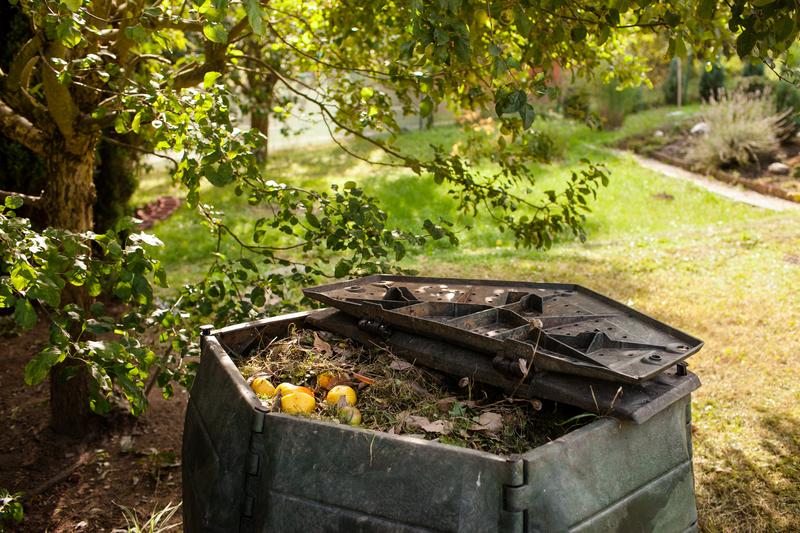
Garden Clearance in Neasden
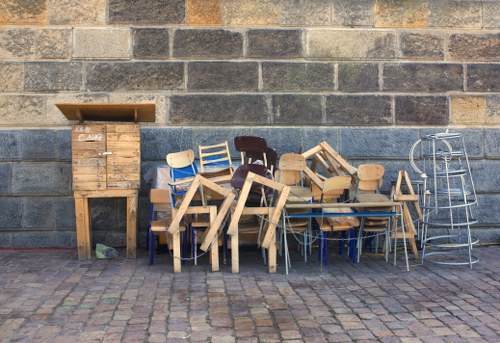
Garden clearance in Neasden should be practical, tidy and carefully handled, whether you are dealing with a one-off buildup of green waste, a neglected border, or a full outdoor reset before landscaping work begins. We provide a clear, organised service for removing unwanted garden material, lifting loose items and helping outdoor spaces become usable again. The work is planned around the site, the load and the type of material involved, so the service stays focused on what needs to go and what can stay.
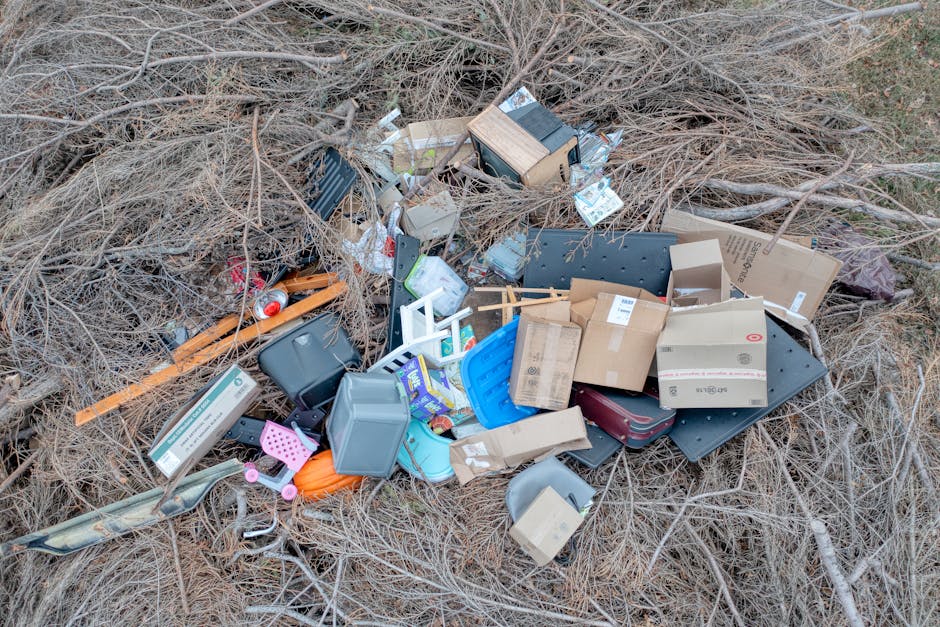
Typical garden clearance tasks can include bagged leaves, broken plant pots, old compost sacks, hedge cuttings, storm debris, damaged timber, garden furniture that is no longer needed, and other outdoor clutter that has collected over time. Where appropriate, we separate recyclable material from general waste and handle loads in a way that supports responsible disposal. If you are comparing options, you can start by looking at our garden clearance service and then decide what level of clearance suits your outdoor space.
Some customers need a straightforward collection of cuttings after routine maintenance, while others need a much fuller clearance after renovation, a tenancy change or a long period of overgrowth. The service can be adapted to the condition of the garden, the amount of access available and the mix of waste present. If you are ready to plan the next step, request a quotation once you have outlined the items, the access and the general size of the job.
What our Neasden garden clearance covers
Garden clearance is most useful when outdoor areas have become difficult to manage because waste has accumulated faster than it can be lifted away. We handle material that commonly appears in front gardens, rear gardens, shared outdoor areas and side returns, provided it can be safely cleared as part of the job. That may include light green waste, dismantled containers, old decorations, broken planters, tired screening and other miscellaneous garden items that are no longer serving a purpose.
For a wider property reset, the clearance can sit alongside other domestic removal work such as home clearance, house clearance or flat clearance. Those pages are useful where the garden is being dealt with as part of a bigger move, refurbishment or end-of-tenancy programme. Where only the outside area needs attention, we keep the focus on the garden itself and avoid unnecessary work that does not support the clearance outcome.
When we plan a garden clearance, we look at three practical questions: what needs to be removed, how it can be reached, and whether any part of the material should be handled separately. Green waste and mixed outdoor waste do not always need the same approach, so a good description of the job helps keep the quote accurate. A simple clear-out can be quick to arrange, while a more involved job may need more careful sorting and loading.
Useful ways to prepare for a garden clearance

Before the clearance takes place, it helps to walk through the garden and identify the main piles, the bulky items and any areas where access may be limited. Photographs are often useful because they show the shape of the space and the amount of material involved, especially when waste is spread across several corners rather than stacked in one place. A short description of what is staying and what is going is usually enough to begin shaping a quote.
If there are items mixed into the garden waste, such as outdoor storage, garden furniture or damaged fixtures, note that as well so the load can be assessed properly. Our pricing and quotes information is helpful if you want a clearer idea of how a clearance is prepared and what affects the final figure. The more accurately the material is described, the easier it is to match the work to the site and avoid unnecessary delay.
Where access is tight, let us know whether the items must pass through a side gate, a shared passage or an indoor route before reaching the outside collection point. These practical details matter because garden clearance is often affected by carrying distance, item size and how the waste is stacked. A little preparation can make the job smoother, but it is not usually necessary to tidy the whole garden before asking for help.
Green waste and heavier outdoor items
Garden clearance is not limited to freshly cut vegetation. Many jobs also include heavier or bulkier outdoor items that no longer belong in the space. That might mean rotting timber, damaged fencing sections, old edging, cracked tubs, plant stands, worn parasols, and small dismantled structures that are no longer safe or useful. We aim to remove the load in a way that is orderly and proportionate to the type of material on site.
Some waste streams can be handled more efficiently when they are separated. Green waste, for example, is different from mixed household rubbish or broken furniture, and that distinction can matter when planning disposal. If the garden contains a combination of outdoor rubbish and furniture, a service such as furniture disposal or furniture clearance may also be relevant, especially where outdoor seating, tables or storage pieces have reached the end of their use.
We avoid turning a garden clearance into an unnecessary over-clear. The aim is to remove the unwanted material, respect the items that remain, and leave the space ready for the next stage of use. That may mean a lighter sweep after maintenance, a substantial lift of accumulated waste, or a complete strip-out of clutter before further work begins. The right level of clearance depends on the garden, not on a fixed pattern.
When the garden is part of a larger property clearance

Some outdoor clearances form only one part of a broader project. For example, the garden may need clearing alongside a garage, loft or interior rooms before a property can be handed over, refurbished or reorganised. In those cases, it is often more efficient to think about the whole load together. We can help with garden waste while also considering whether related items belong within garage clearance, loft clearance or another suitable service area.
Where waste is mixed and the site includes several kinds of unwanted material, a combined approach can reduce repeated handling. That does not mean every clearance has to become a large project; sometimes the garden is the only problem area, and that is enough. What matters is matching the service to the scope of work so the removal is practical, lawful and well organised. If you are unsure how to group the items, we can help you describe the job clearly.
One clear list of what is in the garden is usually better than lots of separate estimates made from memory alone. If you have items that will be kept, moved elsewhere or dismantled before collection, mention those details so the work can be planned more accurately. You do not need a perfect inventory, just a sensible outline of the main waste types and the parts of the space that need attention.
How we approach sorting and loading
Garden clearance often works best when the team can sort the waste as it is loaded, rather than treating every item as if it were identical. Branches, leaves, soil, broken plastic, soft garden waste and sturdier mixed items may all need different handling. A thoughtful approach reduces unnecessary movement and helps us keep the load organised from the start. It also allows the collection to stay focused on removal rather than on avoidable reshuffling.
If the outdoor area contains a build-up from a long period of use, there may be hidden items beneath the top layer of waste. That is another reason to describe the job carefully, especially if the pile includes damaged containers, old tools or objects that could be awkward to carry. For customers dealing with a broader domestic or tenancy-related clearance, house clearance and home clearance can provide useful context for the wider work while the garden is being dealt with separately.
We do not assume that a garden clearance is always light work. Sometimes it is mostly foliage, and sometimes it involves compacted debris, heavy bags and awkwardly placed items. The best approach is the one that fits the site. A good quotation should reflect what is actually there, not what a garden clearance usually looks like on paper.
Waste types, limits and sensible expectations
Not every item found in a garden belongs in the same collection. Some materials can be treated as green waste, while others are mixed household items, timber, metal or general rubbish that has simply ended up outdoors. We work within the practical limits of what can be cleared on the day and may need the load described in advance if it includes unusual or especially bulky pieces. Clear information helps prevent confusion and keeps the job straightforward.
If your outdoor clear-out includes items that are very heavy, sharply broken, contaminated or difficult to separate safely, those details should be mentioned early. In some cases, related removal services such as waste removal or builders waste clearance may be relevant where the garden contains debris from renovation or outdoor construction work. The aim is to match the waste to the right collection method without overcomplicating the booking.
Good quotations begin with plain facts: what is there, how much there is, where it is located and whether access is straightforward. That applies whether the job is a small tidy-up or a fuller clearance after months of accumulation. When those details are clear, the service can be arranged more confidently and the removal can be carried out without unnecessary surprises.
About Neasden

Neasden is a district in northwest London, best known for its position within the London Borough of Brent and for the way it combines busy transport corridors with quieter residential streets. The area sits close to major roads and rail links, giving it a distinctly connected urban character, yet there are also local pockets of housing, community facilities and everyday shopping streets that give the place a recognisable neighbourhood feel. One of the best-known landmarks associated with Neasden is the Shri Swaminarayan Mandir, a large Hindu temple in nearby Neasden Road that has become a significant place of worship and a notable architectural presence in the district. The surrounding area includes a mixture of postwar housing, commercial premises and industrial or warehouse land, reflecting the changing uses of northwest London over time. Neasden is also close to the open space of Gladstone Park, which lies to the west in neighbouring Dollis Hill, offering a substantial green backdrop for the wider locality. The district’s name is often linked with the former Neasden railway station and the historic development of transport infrastructure in this part of the capital. Over the years, the area has been shaped by suburban growth, road building and the wider expansion of Brent, leaving it with a landscape that mixes everyday residential life, religious and cultural landmarks, and practical urban routes that connect it to the rest of London.
Garden clearance for seasonal work and renewal
Seasonal changes often reveal which parts of a garden have become harder to manage. After wet weather, for example, branches, leaves and damaged pots can collect quickly, while warmer periods can leave behind cuttings, spent plants and general clutter from earlier maintenance. Garden clearance is useful at these turning points because it helps restore order before a new planting plan, repair project or simple tidy-up gets underway.
Where a garden is being refreshed rather than fully redesigned, a clearance can prepare the way for pruning, replanting or reinstating paths and borders. It may also help before minor outdoor repairs, such as replacing broken edging or resetting an overgrown area. If the job involves items stored outdoors that are no longer wanted, it may be sensible to think about garage clearance or a related removal page too, especially when the garden and storage areas have become linked over time.
We keep the focus on practical removal rather than cosmetic promises. Some gardens need only a modest amount of tidying; others need the accumulated waste taken away before the space can be properly used again. Either way, the service should be judged by how well it clears the unwanted material and how cleanly it leaves the remaining area to the client’s plans.
Planning the right scale of clearance

It helps to think about scale before asking for a quote. A few bags of hedge trimmings, a collapsed shed corner and some old plant containers call for a different approach from a garden that has been unused for a long period and now contains mixed waste across several sections. By understanding the scale of the job, we can provide a clearer quotation and avoid underestimating the work involved.
If the garden contains larger quantities of waste, it may be worth checking whether a wider property service such as office clearance is irrelevant here while business waste removal or recycling and sustainability could be useful in other contexts. For a domestic garden, however, the main decision is usually whether the clearance is a light tidy-up, a medium mixed load or a larger accumulation needing more careful handling.
Ask for a quotation when you have the main details together, including the type of waste, approximate volume and anything that might affect access. That is usually enough to begin. If the garden forms part of a wider move or reset, mention the other areas too so the overall scope is understood from the start, and the work can be arranged in a way that fits the property as a whole.