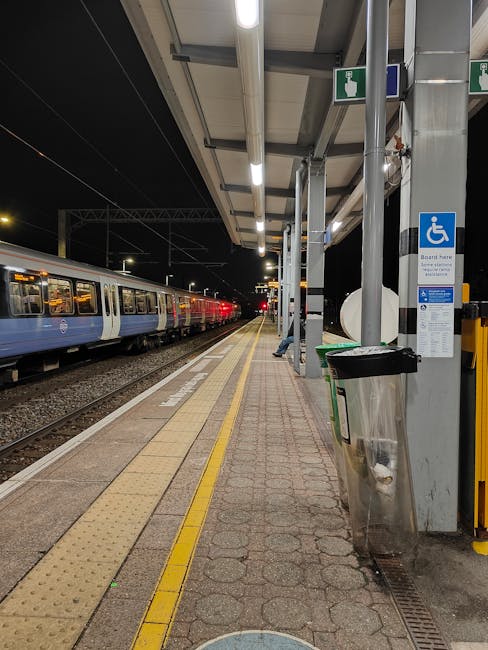
Neasden Station rubbish removal guide for commuters NW10
If you commute through Neasden Station, you already know how quickly a small rubbish problem can become a proper nuisance. A broken chair waiting by the door, a bag of mixed clutter after a flat clear-out, or builders' offcuts tucked behind a bike rack all need sorting fast. This Neasden Station rubbish removal guide for commuters NW10 is here to make that easier: what to do, what to avoid, and how to choose a removal option that fits a busy London routine without turning your day upside down.
Truth be told, most commuters do not need a grand waste strategy. They need something simple, lawful, and time-efficient. They need to get from work to home, maybe pick up a few essentials, and not spend the evening wrestling with black bags or wondering whether the council will take a mattress. So let's keep this practical.
In this guide, you'll find a clear step-by-step approach, common mistakes to avoid, a comparison of disposal methods, and useful pointers for households, tenants, commuters, and small businesses around NW10. If you want to understand broader clearance options too, it can help to look at services such as general waste removal, furniture disposal, or house clearance depending on what you're moving on.
Table of Contents
- Why Neasden Station rubbish removal guide for commuters NW10 Matters
- How Neasden Station rubbish removal guide for commuters NW10 Works
- Key Benefits and Practical Advantages
- Who This Is For and When It Makes Sense
- Step-by-Step Guidance
- Expert Tips for Better Results
- Common Mistakes to Avoid
- Tools, Resources and Recommendations
- Law, Compliance, Standards, or Best Practice
- Options, Methods, or Comparison Table
- Case Study or Real-World Example
- Practical Checklist
- Conclusion
- Frequently Asked Questions
Why Neasden Station rubbish removal guide for commuters NW10 Matters
Neasden Station sits in a part of London where time matters. Commuters are balancing trains, buses, work shifts, school runs, and the ordinary chaos of daily life. If rubbish starts piling up, it does not just look untidy. It creates friction: awkward smells, blocked hallways, unhappy neighbours, and an annoying mental task that keeps sitting on your list.
That is especially true in NW10, where many people live in flats, shared homes, or compact properties with limited storage. A single sofa, wardrobe, or handful of renovation debris can take over valuable space fast. And if you leave items in the wrong place, you risk fly-tipping trouble or a fine from local enforcement. Nobody wants that. Not on a Monday morning.
For commuters, rubbish removal also has a timing problem. You are usually not around in the middle of the day. You may not have a car. Lifting bulky waste after a long shift is the last thing anyone wants. That is why planning matters more than brute effort. The right approach saves time, reduces stress, and helps you avoid the awkward "I'll deal with it next weekend" loop that never seems to end.
Key point: the best rubbish removal plan for a commuter is not the cheapest on paper; it is the one that fits your schedule, access, and type of waste without creating extra hassle.
In our experience, people are usually not overwhelmed by the amount of rubbish itself. They are overwhelmed by the logistics: bags, parking, stairs, timing, and not quite knowing what goes where. Once those pieces are clear, the job feels much lighter.
How Neasden Station rubbish removal guide for commuters NW10 Works
At a basic level, rubbish removal near Neasden Station works in one of three ways: you sort and move waste yourself, you use a council-style collection route where available, or you arrange a professional clearance service to handle lifting, loading, and disposal.
For commuters, the professional route often makes sense because it compresses several jobs into one visit. The team arrives, checks the waste, loads it safely, and takes it away. That matters if you're coming home from the tube with shopping bags, a laptop, and the vague ache of having already done enough for one day.
Good services also make sorting easier. Mixed household rubbish, old furniture, bagged junk, flat clearance waste, garage clutter, and office items each need a slightly different approach. A reliable provider should explain what can be taken, what needs special handling, and what should never be mixed together. If you are dealing with a bigger clear-out, it may be useful to compare options like flat clearance, garage clearance, or office clearance rather than treating everything as one giant pile.
The practical process usually looks like this:
- Identify what needs removing and separate reusable items from true waste.
- Check for bulky, heavy, sharp, or awkward items that may need extra care.
- Choose a disposal route based on volume, urgency, and access.
- Prepare access points so the removal is quick and safe.
- Confirm the collection time, payment method, and any special instructions.
If you only have a few items, a small-load collection may be enough. If you have a full flat to clear, it's often better to arrange a broader service through home clearance or loft clearance, because piecemeal removal can become inefficient very quickly.
Key Benefits and Practical Advantages
The big advantage is convenience, of course. But there is more to it than that.
1. It saves time around commuting hours. When you work odd shifts or arrive home late, a same-day or scheduled collection can remove waste without you taking leave or renting transport.
2. It reduces lifting and carrying. This is not a small thing. Old furniture, damp bags, and boxy items from a clear-out can be awkward on stairs, especially in shared blocks.
3. It helps keep common areas tidy. Neighbours notice when bags are left in hallways or near entrances. A clean exit route is just better for everyone.
4. It supports better recycling decisions. Sorting materials properly means more can be reused or recycled rather than dumped together. If sustainability matters to you, that is a real bonus. You can also read more about the company's approach via recycling and sustainability.
5. It lowers the risk of bad disposal choices. When people are tired, they sometimes cut corners. That is when rubbish gets left outside the wrong property or handed to an unlicensed operator. Neither ends well.
6. It works for mixed life admin. One week you might need furniture disposal, the next week you are dealing with bagged rubbish from a rental move, then maybe some builders' waste after a kitchen refresh. A flexible waste plan keeps all of that manageable.
To be fair, there is also a quiet emotional benefit. A clear hallway, an empty spare room, or a garage with floor space again can make your home feel lighter. People underestimate that. A lot.
Who This Is For and When It Makes Sense
This guide is mainly for commuters in and around NW10, but the situations vary quite a bit.
It makes sense if you are:
- working full-time and only available early morning, evenings, or weekends
- living in a flat or shared house with limited storage
- moving out and need a fast reset before handover
- clearing a room, loft, garage, or spare area that has become a dumping ground
- replacing furniture and do not want the old item lingering for weeks
- managing a small office, studio, or local business with waste building up
- dealing with post-renovation debris from a kitchen, bathroom, or maintenance job
It is also sensible if you value predictability. Some people are happy spending Saturday queueing at the tip. Others would rather pay for the job to be handled cleanly, safely, and without the faff. Neither approach is wrong. It just depends on your life, your access, and your tolerance for lugging a broken wardrobe down three flights of stairs.
For local business owners, a service like business waste removal can keep stock rooms, back offices, and work areas under control without disrupting trading hours.
Step-by-Step Guidance
If you want this to run smoothly, do it in stages. Rushing usually creates the mess you were trying to avoid in the first place.
Step 1: Separate your waste
Start with a simple divide: keep, donate, recycle, dispose. It sounds obvious, but many people skip this and end up paying to remove things that could have been reused. Check cupboards, under beds, behind doors, and in that mysterious corner where old cables go to disappear.
Step 2: Group items by type
Put furniture together, bagged rubbish together, and building waste together. If you have bulky pieces, measure doorways and stair turns first. A sofa can look manageable in the room and suddenly behave like a stubborn horse in a narrow hallway.
Step 3: Decide how urgent it is
If your waste is blocking access or creating a safety issue, deal with it promptly. If it is just clutter, you can plan the collection around your next day off or quieter commute period.
Step 4: Check access and parking
This is one of the most overlooked parts. Is there a lift? Is the waste in a basement? Can a vehicle stop nearby? Do you need to warn a concierge or neighbour? Small access details can make the difference between a quick 20-minute job and a half-day headache.
Step 5: Choose the right service type
Match the job to the waste. For example, a single sofa and a mattress are not the same as a loft stuffed with old boxes. The former might suit furniture clearance, while the latter is better handled through broader clearance help such as flat clearance or home clearance.
Step 6: Confirm what is not accepted
Some items require special handling. Hazardous materials, certain electricals, chemicals, and contaminated waste may need separate arrangements. Ask first. It saves awkwardness later and avoids unsafe loading.
Step 7: Prepare the space
Clear a path, protect floors if needed, and keep the waste together. If you are in a shared building, a quick note to neighbours can help avoid surprises. Simple courtesy goes a long way.
Step 8: Keep records
For your own peace of mind, save the quote, receipt, and any collection confirmation. That is especially sensible if you are clearing business waste or handling something more complex.
Expert Tips for Better Results
There are a few habits that make rubbish removal much easier, and they are not glamorous. But they work.
- Book around your commute pattern. If mornings are chaotic, choose an evening slot or a weekend window. Don't squeeze a collection into a time you will already be racing.
- Take photos before booking. A few clear images help with estimates and prevent misunderstandings. Not every pile looks the same from memory.
- Keep reusable items separate. A chair with good bones may be worth keeping or passing on, even if it no longer suits your home.
- Be honest about volume. Understating how much you have can lead to delays or extra charges. Nobody likes that conversation.
- Think about future clutter. If you are clearing the same corner every six months, maybe the real issue is storage, not waste. A bit of honesty here helps.
- Choose recycling-conscious disposal. Ask how mixed loads are handled and whether material separation is part of the process.
A tiny but useful tip: when sorting, stand in the room for ten seconds and look at the waste as if you were seeing it for the first time. It often becomes obvious what should go first. Strange, but true.
If you want a clearer picture of service standards and safety commitments, pages like insurance and safety and health and safety policy can help you understand what a responsible provider should be thinking about behind the scenes.
Common Mistakes to Avoid
Most rubbish removal problems are preventable. That is the good news. The bad news is that people repeat the same mistakes all the time.
Leaving everything until the last minute. This is the classic commuter error. One busy week becomes two, and suddenly a simple job turns into a rushed one with poor options.
Mixing recyclables and general waste blindly. It is tempting to shove everything into one pile, but that can reduce how much gets recovered properly.
Guessing the volume. If you say "just a few items" and it turns out to be a full room, the day becomes more complicated than it needs to be.
Forgetting access restrictions. Stairs, narrow hallways, parking issues, and building rules matter. A lot.
Assuming every item can be taken together. Builders' waste, furniture, electricals, and household junk may need different handling. A mixed pile is not automatically a simple pile.
Using an unverified operator. If someone offers to take waste cheaply but cannot clearly explain what happens to it, be cautious. Very cautious, actually.
Not checking the final tidy-up. After removal, have a quick look around skirting boards, corners, and doorways. Small debris hides in plain sight.
Tools, Resources and Recommendations
You do not need much equipment to prepare for rubbish removal, but a few practical tools help:
- strong bin bags or rubble sacks for loose waste
- marker pen and tape for labelling items to keep or remove
- gloves for sorting dusty loft or garage items
- a measuring tape for bulky furniture and access checks
- basic cleaning materials for a quick sweep after removal
- boxes or crates for separating donation-worthy items from rubbish
For many commuters, the most useful "resource" is simply a clear plan. If you are not sure which service fits best, look at the type of waste first, not the room it came from. For instance, a room full of old beds and wardrobes points towards furniture disposal, while renovation rubble belongs in a more suitable route such as builders' waste clearance.
If you are comparing value, it can also help to review pricing and quotes before making a decision. That gives you a better sense of what is included and what may affect the final cost.
And if you care about how the provider works behind the scenes, the company's about us page can give useful context on its approach and service style. Nothing flashy, just useful reassurance.
Law, Compliance, Standards, or Best Practice
Rubbish removal is not just about convenience. It has a compliance angle too, even for ordinary household waste. In the UK, waste should be handled responsibly, and you should be careful about who removes it and where it goes. If you hand waste to the wrong person, you may still face problems if it ends up fly-tipped. That is why asking sensible questions matters.
Best practice usually includes:
- using a properly run, traceable service
- keeping waste separated where practical
- avoiding obstructing pavements, hallways, or shared spaces
- handling sharp or heavy items safely
- disposing of special waste through the correct route
For homeowners and tenants, the key is simple: do not assume waste has been dealt with properly just because it has been picked up. Ask how it is managed. A responsible service should be able to explain this plainly, without jargon or vague hand-waving.
If you are clearing items from a rented flat, check your tenancy obligations before leaving anything behind. If you are dealing with business waste, keep your paperwork tidy and make sure collection arrangements do not breach building rules or disrupt shared access. That is the kind of dull detail that saves real trouble later.
For people who like to be thorough, the pages on terms and conditions and complaints procedure can also be helpful to review before booking. Not because you expect a problem, but because good decisions are easier when the basics are clear.
Options, Methods, or Comparison Table
Here is a simple comparison of the most common rubbish removal methods for commuters in NW10.
| Method | Best for | Pros | Watch out for |
|---|---|---|---|
| Self-haul to a disposal point | Small loads, flexible schedules | Direct control, useful if you already have transport | Time-consuming, lifting required, parking or queuing can be a pain |
| Council-style collection | Specific items where service access is available | May suit planned, low-urgency disposal | Availability, booking rules, and item restrictions can limit convenience |
| Professional rubbish removal | Bulky, mixed, urgent, or awkward waste | Fast, less lifting, ideal for busy commuters | Needs a clear quote and accurate item description |
| Room-specific clearance | Flats, lofts, garages, furniture-heavy spaces | Efficient for larger jobs and mixed items | Access planning is important; measure first |
In plain terms, if the job is small and your day is flexible, a self-managed option can work. If the job is bulky, messy, or time-sensitive, professional help is usually the calmer choice. Calm matters. Especially when your week is already full.
Case Study or Real-World Example
Picture a commuter living a few minutes from Neasden Station in a small top-floor flat. Over six months, a broken bedside table, two bags of old clothes, a dead desk chair, and a couple of cardboard boxes have all been pushed "out of the way" into the spare corner of the bedroom. Nothing dramatic. Just enough to make the room feel cramped.
By Friday evening, the flat is a bit of a pressure cooker. Shoes by the door, work bag on the chair, recycling waiting in the kitchen, and that one stubborn chair with a wobbly leg staring at everyone like it has a point to make.
The sensible move here is not to start dragging everything downstairs after a long commute. Instead, the waste is sorted into furniture, bagged rubbish, and items for possible donation. The access route is checked, the removal is booked for a time that fits the resident's schedule, and the collection is handled in one go. The flat feels bigger immediately. Not because the walls moved, obviously, but because the clutter stopped eating the room.
That kind of result is common. It is not about dramatic transformation. It is about getting your space back without losing an entire evening to it.
Practical Checklist
Use this before you book any rubbish removal near Neasden Station:
- Have I separated keep, donate, recycle, and dispose items?
- Do I know exactly what needs removing?
- Have I checked whether anything is bulky, sharp, or unusually heavy?
- Is access straightforward, or are there stairs, lifts, or parking limits to consider?
- Have I measured large items that may need extra care?
- Do I know whether the waste is household, furniture, builders' waste, or office-related?
- Have I asked how the waste will be handled and sorted?
- Have I reviewed the quote and what it includes?
- Have I made sure the collection time fits my commute?
- Do I have a clear path and a tidy pickup point ready?
Quick reminder: a little preparation usually saves more time than it takes. That's the lovely annoying truth of it.
Conclusion
For commuters in NW10, rubbish removal is best treated like a practical part of life admin, not a big ordeal. Once you match the waste type to the right method, plan access properly, and avoid the usual mistakes, the whole thing becomes much more manageable. Whether you are clearing a flat, shifting old furniture, tidying a garage, or sorting office waste, the aim is the same: keep the process simple, safe, and respectful of your time.
If you are unsure which route fits your situation, start with the waste itself, then work backwards. That one habit saves a lot of guesswork. And if you need a fuller service overview, it may be worth reviewing options such as waste removal, house clearance, or furniture clearance before you decide.
Get a free quote today and see how much you can save.
And once the clutter is gone, you really do feel it in the room - a bit more air, a bit more calm, and a lot less to worry about.
Frequently Asked Questions
What is the easiest rubbish removal option for commuters near Neasden Station?
For most commuters, the easiest option is a professional collection that handles lifting and loading for you. It works well when time is tight, access is awkward, or the waste is bulky. If you only have a very small load and plenty of time, self-haul can work too.
Can I get rid of furniture without hiring a van?
Yes. If the furniture is large, heavy, or awkward, a removal service is often the simpler route. For individual items or a few pieces, furniture disposal or furniture clearance may be more practical than trying to move everything yourself.
Is rubbish removal suitable for flat residents in NW10?
Absolutely. In fact, flat residents often benefit most because stairwells, lifts, and limited storage can make DIY disposal difficult. A flat-focused service such as flat clearance is often a good fit.
What should I do with builders' waste after a small home project?
Keep rubble, timber, plasterboard, and mixed debris separate from ordinary household rubbish where possible. Builders' waste often needs its own handling route, so a service like builders' waste clearance is usually the better option.
How far in advance should I book rubbish removal?
If your schedule is predictable, a few days' notice is often enough. If you are moving, handing back a tenancy, or trying to clear space before a weekend, book sooner rather than later. Commuter life has a habit of filling every spare slot.
What happens if I leave waste in a shared hallway?
That can cause access issues, complaints from neighbours, and potential building-rule problems. It is safer to keep waste inside your property until collection day unless you have clear permission and a safe pickup arrangement.
Can I mix furniture, household rubbish, and office items together?
Sometimes, but not always. Mixed loads may be possible, yet separating items first often makes the job smoother and can help with recycling. If you have a larger office or studio clear-out, office clearance may be more appropriate than a general load.
How do I know if a quote is fair?
A fair quote should be clear about what is being removed, how much labour is involved, whether access affects the price, and what is included. If anything feels vague, ask for clarification. Good providers should be able to explain it plainly.
Do I need to sort recycling myself first?
It helps, but you do not need to turn your home into a sorting depot. A basic separation of reusable items, general rubbish, and obvious recyclables is usually enough. For more detail on responsible handling, see the company's recycling and sustainability information.
What if I have a loft or garage full of mixed clutter?
That is very common, and it is usually best handled as a dedicated clearance job rather than piece by piece. A loft clearance or garage clearance can save time and reduce stress.
Is it worth using a rubbish removal service for only a few bags?
Sometimes yes, especially if you are short on time, do not have transport, or want everything taken in one visit. For a few light bags, self-disposal may be cheaper, but convenience often wins for busy commuters. That is just real life, really.
Where can I check the provider's service details before booking?
You can review useful pages like about us, pricing and quotes, insurance and safety, and contact us for practical next steps. If you prefer to read the small print first, terms and conditions and complaints procedure are sensible places to look too.
What is the biggest mistake commuters make with rubbish removal?
The biggest mistake is leaving it too late. Once you are rushed, you are more likely to choose the wrong service, miss access issues, or pay more than you needed to. A little planning goes a long way, honestly.