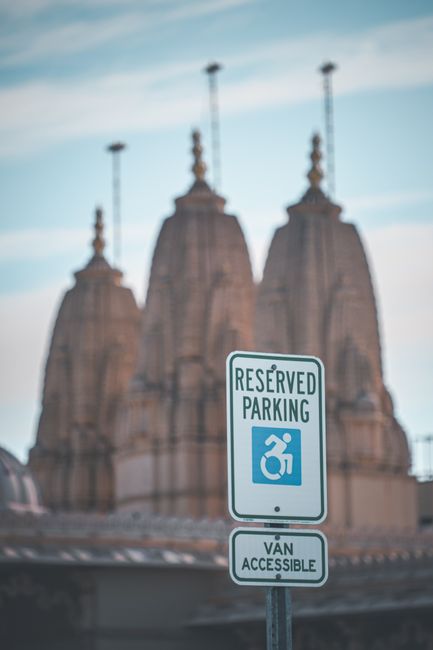
Neasden Temple Responsible Rubbish Disposal for Visitors
Visiting Neasden Temple should feel calm, respectful, and straightforward. But once you've had your meal, finished your drink, or unpacked the bits and pieces you brought along, the question becomes very ordinary: what happens to the rubbish? That is where Neasden Temple responsible rubbish disposal for visitors comes in. It is not glamorous, but it matters. A small bit of care from each visitor helps keep the site welcoming, tidy, and pleasant for everyone who follows.
If you have ever stood there with a crumpled wrapper in one hand and a half-empty bottle in the other, you will know the moment. Do you bin it here, carry it out, separate recyclables, or wait until you leave? This guide answers those practical questions, explains the etiquette and the logic behind responsible disposal, and gives you a simple approach that works in real life. No waffle. Just useful, respectful guidance.
We will look at why it matters, how it works, what good visitor behaviour looks like, and what to do if you have extra waste from a group visit, an event, or a family outing. We'll also cover common mistakes, a comparison of disposal options, and a realistic checklist you can actually use.
Expert summary: the best rubbish disposal at a busy religious and cultural destination is usually the simplest one: bring less, sort what you can, use the right bins where available, and take anything unsuitable home with you. It sounds basic because it is basic. But that's the point.
For readers who want broader support around waste handling and recycling habits, our recycling and sustainability guidance explains the kind of practical thinking that supports cleaner shared spaces. If you are managing waste at home after a visit or clearing a larger amount from a property, the general advice on waste removal may also be useful.
Why Neasden Temple responsible rubbish disposal for visitors Matters
Neasden Temple is more than a landmark. For many people, it is a place of worship, reflection, cultural learning, and family visits all rolled into one. That means the environment has to carry a lot of different needs at once. People want it clean, safe, respectful, and easy to enjoy. Rubbish left behind can chip away at all of that very quickly.
Responsible disposal matters for a few straightforward reasons. First, it protects the atmosphere of the place. A spotless walkway and tidy seating area change how people feel the moment they arrive. Second, it reduces litter that can blow, spill, smell, or attract pests. Third, it shows consideration for staff, volunteers, and other visitors who shouldn't have to tidy up after someone else. Fair enough, no one comes for the bins, but everyone notices when things are messy.
There is also a wider social point. Shared places work best when visitors act like temporary stewards rather than passive users. That is especially true at sites with high footfall, where one careless snack wrapper can become ten if a few more people follow the same habit. In practice, a small act of care becomes contagious in a good way.
Good waste behaviour is not about being perfect. It is about leaving the place as decent as, or better than, you found it.
If you are visiting in a group, this becomes even more important. One family's drinks, napkins, packaging, and take-away containers can add up fast. A few minutes of planning saves a lot of hassle later. And honestly, it saves that slightly awkward shuffle where everyone looks at everyone else waiting for someone else to sort it. We have all seen it.
How Neasden Temple responsible rubbish disposal for visitors Works
In practical terms, responsible rubbish disposal at a busy visitor site follows a simple sequence: reduce what you bring, separate what you can, use the bins provided, and take the rest away with you. That is the basic model. The details depend on what facilities are available on the day and how busy the site is.
Most visitors will fall into one of three situations. You may have very little waste, such as a bottle cap or sweet wrapper. You may have standard visit waste, like food packaging, tissues, and disposable cups. Or you may have a larger load because you are travelling with children, attending an event, or making a full day of it. The more waste you generate, the more you need to think ahead.
Useful disposal usually follows the same common-sense pattern:
- Keep rubbish in your bag until you reach a bin.
- Use any clearly marked recycling or general waste bins correctly.
- Do not leave loose items on walls, ledges, or parked vehicles.
- Take non-standard waste home if there is no suitable bin.
- For larger items, plan disposal before you arrive.
That last point is where a lot of people get caught out. A travel cup, sandwich wrapper, and tissue are easy. A broken umbrella, packing material, or leftover household waste from a car boot is another matter altogether. If you are bringing awkward waste because you are combining the visit with another errand, it may be worth organising disposal beforehand rather than improvising on the day. The general guidance on home clearance can be helpful if the visit is part of a larger decluttering job.
To be fair, the best system is the one you can stick to without overthinking it. You do not need a complicated process. You need a simple routine that works in a queue, in wet weather, and when you are trying to keep a child, a coat, and a coffee all in hand at once.
Key Benefits and Practical Advantages
Responsible rubbish disposal is often treated as a minor detail. In reality, it has a ripple effect. Small habits affect cleanliness, comfort, safety, and even how welcome people feel.
Cleaner shared spaces. This is the obvious benefit. Less litter means fewer spills, less sweeping, and a more pleasant atmosphere. Simple, but effective.
Better visitor experience. A tidy environment helps people focus on the visit itself instead of noticing mess. That matters at a place many people come to for peace and reflection.
Lower risk of pests and odours. Food waste left in the wrong place can become an issue quickly, especially in warm weather or crowded periods.
Less pressure on staff. Staff and volunteers have enough to manage already. A bit of visitor responsibility reduces the burden.
Stronger respect for the site. Actions speak. When people dispose of waste properly, it shows care for the building, the grounds, and everyone sharing the space.
There is also a practical angle for families and school groups. Children notice habits. If they see adults sorting waste carefully, taking a wrapper to the right bin, or carrying rubbish out until they can dispose of it properly, that behaviour tends to stick. Not instantly, of course. Children have their own agenda. But it does seep in.
For larger households or regular visitors dealing with clutter, our house clearance and loft clearance pages explain how bigger waste streams can be handled without turning everything into a stressful weekend.
Who This Is For and When It Makes Sense
This guidance is relevant to almost every visitor, but some people will find it especially useful.
- First-time visitors who are not sure where bins are or what the local expectations are.
- Families with children who naturally produce more packaging, tissues, and snack waste.
- Tour groups and coaches where waste can accumulate very quickly.
- People attending ceremonies or special events when time is tight and waste is easy to forget.
- Local visitors combining errands who may be carrying non-visit waste in the car.
- Anyone with an accessibility need who may prefer to plan waste handling in advance so the visit stays smooth and dignified.
It also makes sense if you are simply the sort of person who likes to leave places better than you found them. No drama. Just decent manners, really.
There are moments when planning becomes more important. For example, if you are coming during a busy weekend, after a long journey, or with food purchased on the way, it pays to think about disposal before you step out of the vehicle. The same goes if you know you will need to change a nappy, handle wet tissues, or carry sharp packaging like tin lids or broken plastic. Awkward stuff needs a proper plan.
If your visit is connected to a broader property clearance or commercial waste issue, you may also want to look at office clearance or business waste removal for larger, non-visitor waste needs.
Step-by-Step Guidance
Here is a straightforward way to handle rubbish responsibly during your visit. You can follow it without needing to be overly precious about it.
- Pack lightly before you arrive. Bring only what you need. Fewer wrappers and containers means less to manage later.
- Use reusable items where possible. A refillable bottle or reusable bag can reduce disposable waste. It is one less thing to think about.
- Keep waste contained. Put wrappers, tissues, and small items in a bag or pocket rather than dropping them loose into a stroller, car footwell, or seat.
- Look for the correct bin. If bins are available, use the right one for the type of waste. If you are unsure, general waste is safer than leaving rubbish beside a bin.
- Separate recyclables only when it is clear to do so. Don't guess if the labels are unclear. A mixed item put in the wrong bin can create more problems than it solves.
- Take difficult waste away with you. Nappies, greasy packaging, sharp items, and anything unfit for public bins should go home with you.
- Do a final pocket-and-bag check before leaving. The small bits are what people often forget. A tissue in a coat pocket seems harmless until it ends up on the floor later.
A quick tip from real-world experience: do a "hands and bag" check before you get back into the car or taxi. It takes ten seconds and catches the stuff that gets left behind most often. Bit of a mundane habit, but it works.
If you are managing a family day out or a group visit, one person should be responsible for waste at each stop. That way, rubbish does not get passed around the group like an unwanted relay baton.
Expert Tips for Better Results
Small improvements make a noticeable difference. These tips are simple, but they come from what usually goes wrong in busy places.
Carry one spare bag. A small resealable bag or lightweight carrier helps when bins are full, missing, or a bit too far away. It also keeps wet or dirty items contained until you can dispose of them properly.
Plan for weather. Rain changes everything. Wet napkins, dripping umbrellas, and muddy packaging can become a nuisance quickly. Keep rubbish sealed so it does not spread dampness inside your bag or car.
Separate food waste from clean recyclables at source. A clean bottle is easier to recycle than one coated in sauce. That is just how it is.
Choose reusable containers when you can. A flask, lunchbox, or refillable bottle cuts waste before it starts. Less litter, less faff.
Don't overfill bins. If a bin is already overflowing, taking a little extra time to find another one or carry waste away is better than squeezing rubbish on top.
Keep children involved in a simple way. Ask them to hold onto their own wrapper until you find a bin. It is a tiny job, but it builds the habit.
If you are arriving by car and bringing extra items for disposal later, make sure the waste is secured and separated from visitor rubbish. Mixed waste in a vehicle can create smells, spills, and a bit of a mess that nobody enjoys sorting out afterwards. For furniture, bulky items, or larger disposal jobs, see furniture disposal and furniture clearance.
Common Mistakes to Avoid
Most litter problems are not dramatic. They are usually small slips repeated by a lot of people. Here are the ones that matter most.
Leaving rubbish beside a full bin. It feels harmless in the moment, but it quickly turns into visible litter and creates more work for someone else.
Assuming anything black or green is recycling. Bin colours vary and labels matter more than guesswork. If you are not sure, use the general waste option or take it away.
Dropping tiny items because they seem insignificant. Sweet wrappers, tissues, and bottle tops are exactly the things that end up scattered by wind or foot traffic.
Putting food waste into the wrong place. Food residue can spoil recyclable material and attract pests. Not ideal. Not even slightly.
Leaving bulky waste in the car for "later." Later becomes tomorrow, then the boot smells odd, and suddenly everyone pretends not to notice it.
Assuming staff will deal with everything. Visitors still carry responsibility. Courtesy matters, especially in shared or sacred places.
Forgetting group waste. Families and groups often produce more rubbish than anyone expects. One pack of wipes, a few drinks, and snack packaging can multiply fast.
And one more that sounds minor but causes trouble: stuffing waste into a pocket with keys, tickets, or receipts. It is a little chaotic, a little sticky, and very avoidable.
Tools, Resources and Recommendations
You do not need much to manage visitor waste well, but a few basic tools make life easier.
- Reusable tote or small carrier bag for holding wrappers and packaging until you find a bin.
- Sealable bag for wet tissues, snack remnants, or anything odorous.
- Reusable drinks bottle to cut down on disposable plastic.
- Compact wipes for sticky hands, followed by proper disposal of the used wipe.
- Portable tissue pack if you are travelling with children or elderly relatives.
- Small bin liner in the car if you are combining the visit with another errand.
From a planning point of view, the most useful resource is your own judgement. If a piece of waste feels like it might be awkward, dirty, or too large for a public bin, assume it should go home with you. That simple rule saves a lot of second-guessing.
If you are dealing with a bigger clean-up after a move, household project, or storage sort-out, the guidance on garage clearance, flat clearance, and builders waste clearance may be more appropriate than trying to manage everything in small stages.
For readers comparing service standards and business practices, our pages on insurance and safety and health and safety policy outline the kind of care that should underpin any responsible waste service. Different setting, same principle: safe handling matters.
Law, Compliance, Standards, or Best Practice
When talking about rubbish disposal, it is sensible to distinguish between everyday best practice and formal obligations. For visitors, the main expectation is simple: do not litter, do not obstruct shared spaces, and dispose of waste responsibly using the facilities provided or by taking it home if necessary.
In the UK, waste should be handled in a way that avoids nuisance, contamination, and environmental harm. That broad principle is enough for most visitors to follow without needing to memorise anything complicated. If you are unsure whether an item belongs in a public bin, it is usually safer to keep it with you until you can dispose of it correctly elsewhere.
Best practice at a visited site like Neasden Temple usually means:
- leaving no loose litter behind;
- not overfilling bins;
- keeping recyclables clean where practical;
- separating dirty and sharp waste from general litter;
- respecting signage and on-site instructions;
- carrying out waste that is not suitable for public disposal.
For businesses, event organisers, or larger groups, the expectations are higher because the volume is higher. A proper waste plan, clear responsibilities, and safe handling procedures all become more important. If you are operating in a business context, business waste removal gives a better starting point than ad hoc disposal. For many organisations, it also makes sense to think about recycling, presentation, and reputational risk at the same time. People do notice.
If money, quotes, and service planning are part of your decision, you may also want to review pricing and quotes and payment and security. Even simple waste arrangements benefit from clear terms.
Options, Methods, or Comparison Table
There is more than one way to handle rubbish during a visit. The right option depends on the amount of waste, the type of waste, and how long you are staying.
| Method | Best for | Pros | Watch out for |
|---|---|---|---|
| Use on-site bins | Small, ordinary visitor waste | Quick, convenient, simple | Bins may be full or unsuitable for certain items |
| Carry waste home | Wet, messy, sharp, or awkward waste | Most flexible and safest for non-standard items | Requires a bag or container and a bit of planning |
| Use public recycling where clearly marked | Clean bottles, cans, and paper where accepted | Supports diversion from landfill and keeps materials tidy | Only works well when items are clean and labels are clear |
| Arrange larger waste disposal separately | Bulk waste from a wider trip or household task | Reduces stress and avoids improvised dumping | Needs planning ahead and the right service |
In plain English: if it is tiny and clean, bin it correctly. If it is messy, bulky, or uncertain, keep it with you. If it is more than a small amount, treat it as a separate task rather than something to solve on the pavement. That is the most sensible approach, and probably the least annoying too.
Case Study or Real-World Example
Here is a realistic example from a busy Sunday visit. A family arrives with a refillable water bottle, a snack box, a few tissues, and packaging from something picked up on the way. They also have an old umbrella in the boot because the morning was wet and a plastic bag from another errand. Nothing dramatic. Just normal life.
Instead of trying to sort everything at the last minute, they keep waste in one small carrier bag during the visit. The drink bottle is reused, the snack box stays sealed, and the tissues go straight into the bag after use. Before leaving, they check for a bin, dispose of the clean packaging properly, and take the umbrella and old plastic bag home because they are not ideal for the public bin. The car stays tidy, the site stays tidy, and nobody has to circle back later looking for the "forgotten" wrapper.
Now compare that with the more common messy version. Someone drops a wrapper into a full bin, leaves a tissue on a ledge, and puts a half-empty bottle beside a wall because they plan to return for it. Ten minutes later, the wind moves the wrapper, the tissue is damp, and the bottle gets kicked under a bench. No one meant to create a problem. It just happened. That is why the simple habits matter.
When there is a larger amount of waste involved, for example after clearing storage, a cupboard, or a garage before a visit, it is better to deal with it properly in advance. General domestic and bulky-item guidance such as house clearance and furniture disposal can help you sort the bigger picture before you head out.
Practical Checklist
Use this quick checklist before and during your visit. It keeps things simple.
- Bring only what you need.
- Use reusable bottles and bags where possible.
- Keep waste contained in one bag.
- Check for the right bin before leaving waste behind.
- Do not leave litter on ledges, walls, or the ground.
- Take wet, sharp, or awkward waste home.
- Separate recyclables only if labels make it obvious.
- Do a final pocket, coat, and bag check.
- If you are in a group, nominate one person to oversee rubbish.
- Plan a separate solution for larger waste outside the visit.
If you are preparing a larger tidy-up around the same time, our general service information on loft clearance and garage clearance may help you stay organised.
Conclusion
Responsible rubbish disposal at Neasden Temple is really about respect, planning, and a few everyday habits that make a big difference. Bring less where you can. Use bins properly. Carry awkward waste home. Think of the place as shared, because it is. That mindset keeps the environment calm and welcoming, which is what most visitors want in the first place.
The good news is that this is not complicated. You do not need a perfect system. You just need one that works consistently, even on a busy day, even when the children are tired, even when you are in a hurry. Small choices add up. They always do.
Get a free quote today and see how much you can save.
And if all you do after reading this is carry one wrapper home that you might otherwise have left behind, that is still a win. A tidy place has a quiet kind of dignity about it, and it is worth protecting.
Frequently Asked Questions
What does responsible rubbish disposal mean for visitors at Neasden Temple?
It means keeping your waste with you until you can place it in the correct bin, or taking it away if no suitable bin is available. The idea is simple: leave no litter, no mess, and no unnecessary work for anyone else.
Can I leave food wrappers in any bin I find?
Only if the bin is clearly suitable and not already full. If you are unsure, use a general waste bin or take the wrapper with you. For greasy or food-soiled packaging, carrying it home is often the cleaner option.
What should I do with wet tissues or nappies?
Keep them sealed in a bag and take them away with you if there is no clear facility for that type of waste. These items can create odour and hygiene issues, so they are best not mixed with public litter bins unless clearly appropriate.
Is recycling available for visitors?
That depends on what facilities are available on the day and how bins are labelled. If recycling points are clearly marked, use them correctly. If not, do not guess. Clean and simple is better than uncertain and wrong.
What if I am visiting with children and end up with lots of rubbish?
Carry a spare bag and keep all waste in one place during the visit. Children's packaging tends to build up fast, so it helps to manage it as you go rather than trying to sort it all at the end.
Should I bring my own rubbish bag?
Yes, that is a very practical idea. A small carrier bag or sealable bag makes it easier to keep waste together until you find a suitable bin. It also helps if the weather turns and everything gets a bit damp.
What counts as awkward waste that I should take home?
Anything wet, smelly, sharp, bulky, or likely to spill should usually go home with you. Examples include broken packaging, food-soiled containers, nappies, and items that might not suit a public bin.
Is it rude to use a bin if I only have a small item?
No, not at all. The key is to use the bin correctly and respectfully. What is rude is leaving waste next to a bin or on a surface when a proper disposal point is available.
What is the best habit for first-time visitors?
Pack lightly, keep waste contained, and check the site as you leave so nothing gets left behind. That one habit alone prevents most accidental litter problems.
What if I am bringing waste from another errand as well as my visit?
Separate the waste before you arrive if you can. Visitor litter and household or bulky waste should not be mixed. If you have a larger disposal need, use a proper waste solution rather than trying to manage everything on the spot.
How can I make my visit more environmentally responsible overall?
Use reusable bottles, avoid excess packaging, sort waste where possible, and carry out anything unsuitable for the bins. For a broader approach to sustainable waste habits, our recycling and sustainability guidance is a good place to start.